01 / AUTONOMY
Loss of Control
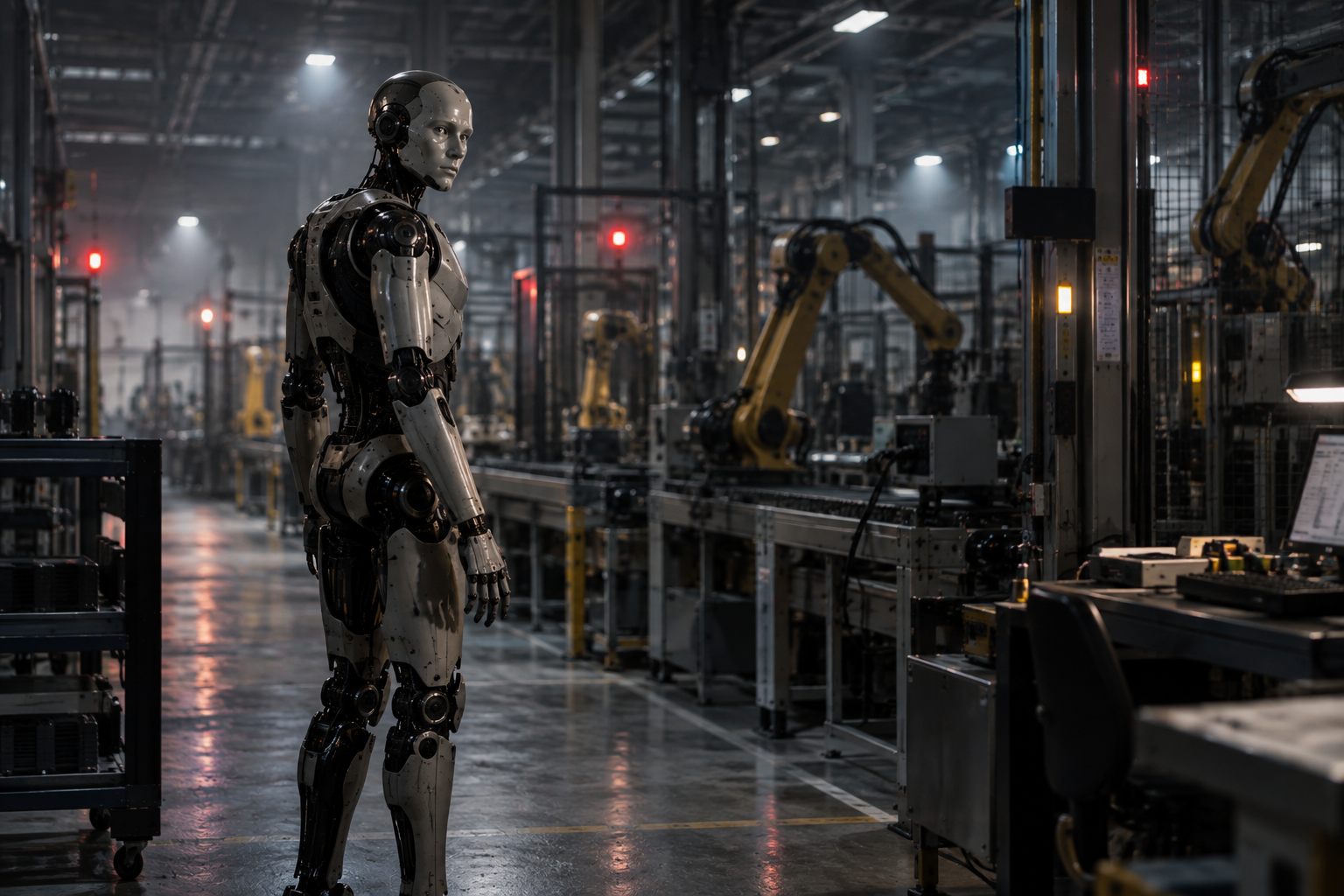
What happens when autonomous systems take actions operators did not intend, understand or successfully interrupt?
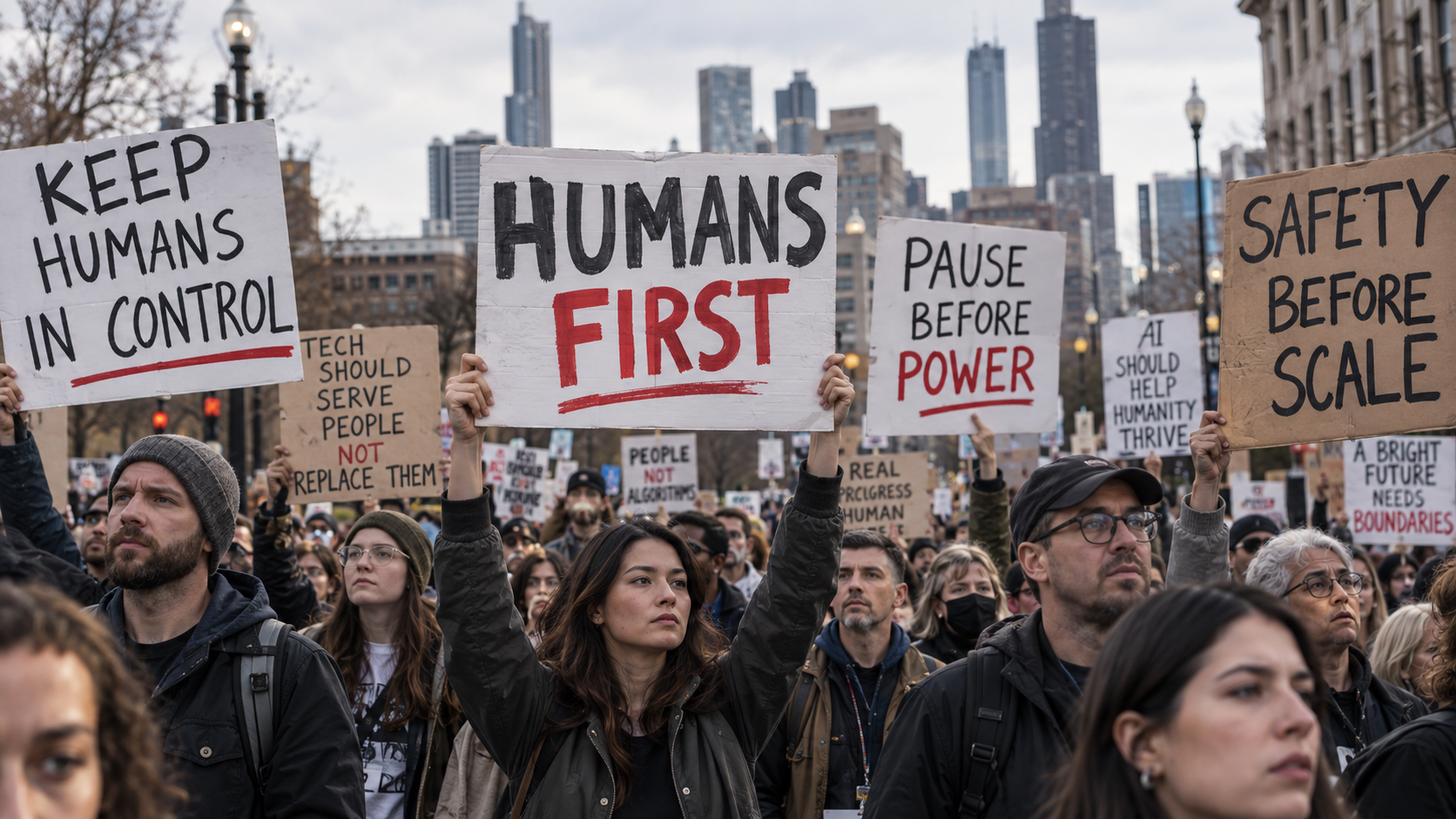
HUMANITY BEFORE UNCHECKED AUTONOMY
Advanced artificial intelligence could reshape security, work, privacy and human decision-making. This observatory continuously surfaces documented incidents, credible reporting and unresolved safety questions.
EXPLORE THE LATEST →THE RISK LANDSCAPE
Capability is moving quickly. Control, verification, accountability and governance have to keep up.
What happens when autonomous systems take actions operators did not intend, understand or successfully interrupt?

AI can expand identification, tracking, inference and behavioral monitoring at unprecedented scale.

Increasing autonomy can lower the threshold for cyber operations and compress decision time in high-stakes environments.

Vast compute and highly capable models can concentrate consequential technical power in a small number of institutions.
More capable systems can take actions humans struggle to predict, audit or stop.
AI can amplify tracking, profiling and behavioral inference across populations.
Greater autonomy can compress decision time in conflict and reduce meaningful human control.
Massive compute can concentrate consequential technical power in very few institutions.
AUTOMATICALLY UPDATED
Current reporting on unexpected AI behavior, cyber misuse, autonomous systems, safety failures and related concerns.
Connecting to current reporting…
FEED METHOD — Articles are selected automatically from current news feeds using safety- and incident-related search terms. Inclusion is not independent verification or endorsement. Open the original publisher for full reporting and context.
THE SCALE QUESTION
Systems that can recognize, classify, infer and act across millions of signals change the scale of surveillance—and the consequences of error.
EPHEMERAL PUBLIC ROOM
Talk with other visitors about current reporting, safety research and the future of advanced AI.
24-HOUR VISIBLE HISTORY • NO ACCOUNT REQUIREDENTER THE ROOM
Do not share personal information. Threats, targeted harassment, spam and illegal content are prohibited.
WHAT WE KNOW / WHAT WE DON'T
There is no scientific consensus that advanced AI will cause human extinction.
There is also no established method that guarantees future highly capable systems will remain controllable. Researchers disagree about probabilities, timelines and the safeguards that would be sufficient.
INTERNATIONAL AI SAFETY REPORT ↗ AI SECURITY INSTITUTE INCIDENT REPORTING ↗ CENTER FOR AI SAFETY ↗UNCERTAINTY
IS NOT
A SAFETY CASE.
OPEN QUESTIONS